If you're exploring Music schools in austin, whether you are a child discovering your first notes or an adult rekindling a long‑lost passion, this guide is for you. Austin offers a rich, vibrant array of music learning opportunities to suit every age and experience level.
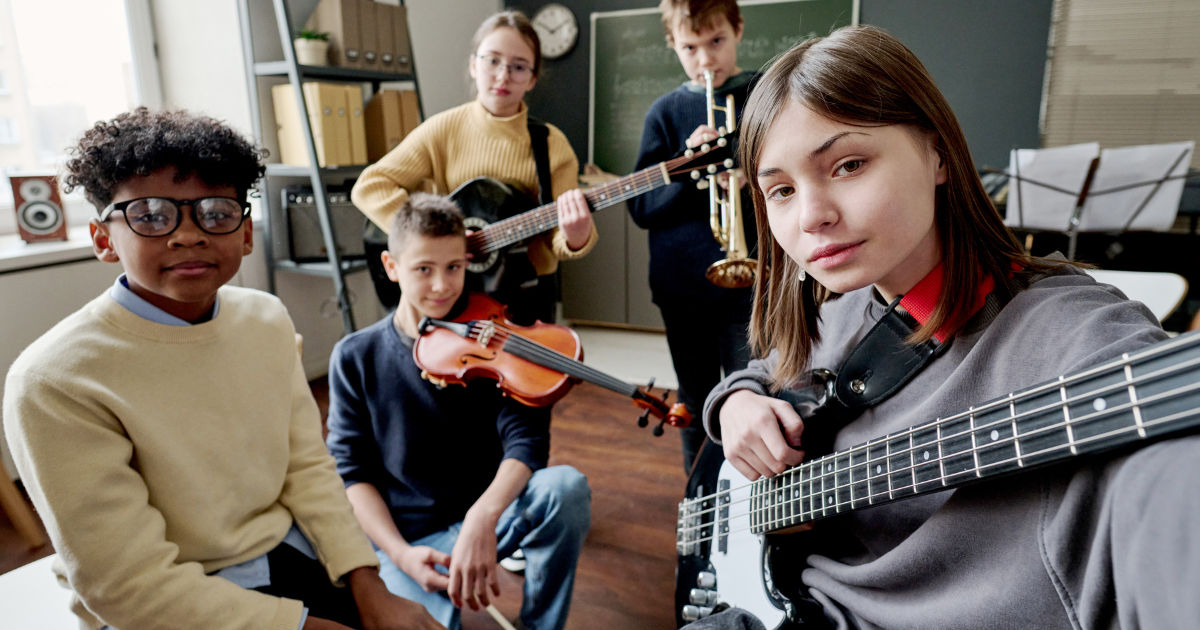
In this guide, you will learn about the different kinds of music programs, how to choose what fits your needs, and tips for getting the most out of musical study in Austin.
Why Austin is a Great Place to Learn Music
Austin has long been celebrated as a musical city — filled with live shows, festivals, and a deep appreciation for music across genres. That cultural energy spills over into its educational offerings. Music schools in austin benefit from this creative climate: instructors often are active musicians, and students may get chances to perform live or collaborate with others. For learners of any age, from toddlers to seniors, this makes Austin a uniquely fertile ground for musical growth.
Moreover, the diversity of programs — from classical piano to jazz improvisation, from group band lessons to solo guitar — means nearly anyone can find a welcoming place to learn. For those seeking flexible scheduling, many programs offer weekend, evening, or summer classes, making it easier to balance music with school, work, or family.
Who Can Benefit: Programs for Every Age
Young Children (Ages 3–7)
Music education for very young children often emphasizes fun, curiosity, and basic musical awareness. If you’re looking for preschool‑age music playgroups or introduction to instruments, you’ll find several options among Music schools in austin that offer early childhood music classes.
These early programs generally cover:
-
Basic rhythm exposure (clapping, tapping, marching)
-
Singing simple songs, and recognizing pitch and melody in playful ways
-
Social interaction through group music play
Such classes help develop not just musical skills, but confidence, listening ability, and coordination — all important building blocks for later musical learning.
Elementary Age (Ages 6–12)
As children grow, their capacity for structured learning increases. Around ages 6–12 is a great time to start learning a specific instrument or voice formally. Many Music schools in austin offer private lessons (e.g. piano, violin, guitar, voice) or small group classes for this age group.
Benefits at this age include:
-
Developing discipline and practice habits
-
Learning music reading (notes, rhythms, musical notation)
-
Building foundational technique (finger placement, posture, breathing, timing)
-
Opportunities to perform in recitals or group ensembles
Starting at this age can set a child up for long-term musical growth, and also provide a creative outlet alongside academic studies.
Teenagers (Ages 13–18)
Teen years often come with changing interests and busier schedules — but they’re also a powerful time to deepen musical skill. Music schools in austin frequently offer adolescent‑focused programs: rock band workshops, jazz ensembles, advanced piano or guitar lessons, voice coaching, and even music theory courses geared toward teens.
At this stage, students may begin to:
-
Explore genre specialization (jazz, rock, classical, folk)
-
Enhance technical ability and expression
-
Prepare for auditions, competitions, or college music programs
-
Experiment with songwriting or composing original music
For many teenagers, the social aspect is also important. Learning music with peers can build camaraderie, teamwork, and a sense of belonging. Schools may offer group classes or jam‑sessions, fostering both skill and community.
Adults — Beginners to Advanced
It’s a common misconception that music education is only for children and teens. In reality, adults can greatly benefit from music classes — and many Music schools in austin cater specifically to adult learners. Whether you’re a total beginner wanting to learn piano for fun, a former player returning after years, or an intermediate musician seeking improvement, there are programs tailored for you.
Adult-focused offerings may include:
-
Beginner courses in piano, guitar, voice, ukulele, drums
-
Intermediate to advanced instruction (technique, improvisation, composition)
-
Flexible scheduling (evenings/weekends)
-
Group workshops or ensemble playing for social interaction
Learning music as an adult can be deeply rewarding. It offers mental stimulation, stress relief, a creative outlet, and often a strong sense of achievement — especially when you start tackling pieces you once thought too difficult.
Seniors and Lifelong Learners
Music is not age‑bound. For seniors wanting to explore or revisit music, several Music schools in austin offer gentle, accommodating programs. Maybe it’s a lifelong dream of learning piano, or a desire to sing again, or just to take rhythm classes for fun and fitness.
These programs often emphasize:
-
Low-pressure learning, without performance stress
-
Adaptive pacing, respectful of varied energy or physical capacity
-
Social engagement — many adult‑senior classes are group-based, promoting community
-
Joyful exploration, rather than competitive rigor
Lifelong music learning can enrich life, maintain cognitive sharpness, and bring joy — making it a wonderful option at any age.
Types of Music Programs You’ll Find in Austin
Private Instrument & Vocal Lessons
One of the most common offerings among Music schools in austin is one-on-one instruction. Private lessons allow for personalized attention, customized curriculum, and focused development. Students can progress at their own pace, tackle specific technical challenges, and receive direct feedback from instructors.
Typically, private lessons are 30–60 minutes long and cover:
-
Skill technique (finger placement, breath control, posture)
-
Sight reading, notation reading, music theory basics
-
Repertoire selection (songs or pieces appropriate to skill level)
-
Performance tips, expression, dynamics
This format is ideal for students who want serious, long-term development — or those who need flexibility and individualized pacing.
Group Classes and Ensembles
Group settings — such as beginner piano classes, group guitar lessons, choir rehearsals, or rock bands — are another common format in Music schools in austin. These offer a social and collaborative environment.
Advantages include:
-
Learning to play with others (timing, harmony, coordination)
-
Sharing motivation and support with peers
-
Possibly reduced cost per student compared to private lessons
-
Exposure to ensemble performance and cooperative learning
Group music classes are especially popular for children and teens, but many adult learners also enjoy them for the social and motivational benefits.
Workshops and Short-Term Courses
For those wanting to dabble without a long-term commitment — maybe over the summer or a school break — workshops and short-term courses are an excellent option. Many Music schools in austin organize weekend or week‑long camps covering:
-
Instrument introduction (e.g. “Guitar for Beginners”)
-
Music theory crash courses
-
Songwriting workshops
-
Performance and stage presence seminars
-
Recording and music production fundamentals
Workshops can serve as a trial for potential long-term study or simply a fun, immersive way to explore music.
Music Theory and Composition Classes
If you’re more int‑ erested in understanding music deeply or composing your own pieces, some programs focus more on the academic side: music theory, ear training, notation reading, and composition. Such courses are offered by several Music schools in austin, often for teens and adults.
This side of music education can be especially rewarding for:
-
Students aspiring to compose or write songs
-
Those interested in classical music or jazz improvisation
-
Learners preparing for music exams or advanced study
-
Anyone who wants a deeper appreciation of how music works
Performance Opportunities and Recitals
Many Music schools in austin don’t just teach; they provide opportunities for students to perform — in recitals, concerts, student showcases — or even to collaborate with other musicians in the community.
These performance experiences are valuable because they:
-
Build confidence and stage presence
-
Provide motivation to practice and improve
-
Allow students to share their progress with friends and family
-
Foster community and connection among learners and instructors
Performance‑based learning often becomes a highlight for many students — a culmination of effort and growth.
How to Choose the Right Program
Identify Your Goals
Before enrolling, it’s important to think about what you want out of music learning. Are you after:
-
Basic exposure to music and rhythm?
-
Learning a specific instrument or voice?
-
Serious skill development with long-term commitment?
-
Occasional fun and social engagement?
-
Composition or music theory knowledge?
Understanding your goals will help you evaluate which of the Music schools in austin and what kind of program will best suit you.
Consider Schedule and Flexibility
Life in Austin, like anywhere else, gets busy. For students, working professionals, or parents, choosing a program with flexible scheduling — evening, weekend, or summer options — might be crucial. Many Music schools in austin offer flexible plans, but it's wise to check before enrolling.
Check Instructor Credentials and Teaching Style
A good teacher can make all the difference. When exploring programs, find out:
-
Is the instructor a professional musician?
-
Do they have experience teaching your age group?
-
What is their teaching style — strict and technical, or relaxed and creative?
-
Are they patient and encouraging, especially for beginners or young children?
Asking these questions helps make sure you get a good fit between teaching style and learning preferences.
Evaluate Program Structure and Progression
Look for structured progression: Can beginners move to intermediate and then advanced levels? Are there performance opportunities or recitals? Does the curriculum include theory, technique, repertoire, and performance?
Schools that offer structured progression tend to be among the best Music schools in austin — because they help learners grow steadily over time.
Think About Cost and Resources
Private lessons tend to be more expensive than group classes or workshops. Also, some programs may require you to have or buy an instrument. When considering a school, factor in:
-
Lesson fees (monthly, per session, or package price)
-
Instrument requirement or rental availability
-
Materials needed (music books, sheet music, maintenance)
-
Additional costs (recital fees, instrument upkeep)
Balancing your budget with the quality of instruction is key.
Location and Accessibility
Austin is sprawling, and traffic can be substantial. Choosing a school close to home or work can make a big difference — especially if you need to travel frequently for lessons. Many Music schools in austin have multiple branches or are conveniently located. Always consider commute time when making your decision.
Sample Music Program Pathways by Age and Aim
Pathway for Young Child (Age 5) – Casual & Fun Start
-
Enroll in a preschool‑level “music playgroup” at a nearby Music school in austin
-
Attend weekly 30‑minute group sessions focusing on rhythm, singing, and basic instrument introduction
-
Join occasional parent‑child music events or performances
-
Continue through elementary school with weekly group or private lessons once ready
Pathway for Middle-Schooler (Age 11) – Building Foundation
-
Begin private piano or guitar lessons at a Music school in austin (30–45 mins each week)
-
Add periodic group lessons or small ensembles to learn collaboration
-
Participate in a school recital or community event once or twice a year
-
Explore music theory or beginner songwriting by early teenage years
Pathway for Teen (Age 16) – Focused Skill & Expression
-
Enroll in advanced private lessons (piano, guitar, voice, violin, etc.) at a Music school in austin
-
Join a student band, jazz ensemble, choir, or ensemble to experience group performance
-
Take music theory or composition courses if interested in songwriting or deeper musical understanding
-
Perform in school recitals, local gigs, or competitions (if available)
Pathway for Adult Beginner – Rediscovery or New Start
-
Enroll in a beginner course (piano, guitar, voice) at a Music school in austin with evening/weekend schedule
-
Start with 30‑minute lessons; build to longer sessions as skill grows
-
If desired, join adult group classes for social connection and shared learning
-
Set realistic goals: learn a few favorite songs, play for friends/family, or just enjoy music for personal growth
Pathway for Adult Intermediate / Lifelong Learner – Skill Deepening & Creativity
-
Enroll in advanced lessons focusing on technique, improvisation, or composition at a Music school in austin
-
Join adult ensembles or band workshops for shared music‑making experiences
-
Take theory, composition, or music production courses if interested in writing or recording music
-
Participate in recitals, showcases, or local open‑mic events to perform and connect with the music community
Tips for Getting the Most Out of Music Programs
Practice Consistently, Even in Small Doses
Progress in music often comes from consistent practice over time. Even 15–20 minutes daily can lead to noticeable improvement. Especially when attending a Music school in austin, combining instruction with regular practice helps cement what you learn.
Set Realistic, Meaningful Goals
Having clear goals — like learning a favorite song, mastering a piece by a certain date, or playing for friends — helps maintain motivation. Share these goals with your teacher so they can tailor lessons accordingly.
Combine Private Learning with Group Experience
If possible, mix private lessons with group classes or ensembles. The private lessons help with technique and foundation; group classes build confidence, collaboration, and joy — something many Music schools in austin offer.
Embrace Performance Opportunities
Even small recitals or casual showcases can build stage experience, reduce performance anxiety, and provide a sense of accomplishment. Participating in performances through your music school helps you grow more than just practicing alone.
Be Patient with Yourself
Learning music is a journey. Progress may come slowly, and plateaus are normal. The instructors at most Music schools in austin understand this — especially when working with beginners or adult learners. Embrace incremental progress.
Communicate with Your Instructor
Regular feedback and open communication with your teacher helps ensure the lessons stay fun, challenging, and aligned with your goals. Don’t hesitate to express preferences, ask for adjustments, or request new styles to explore.
Take Advantage of Community and Networking
Austin’s music‑loving community is a huge asset. Many schools encourage social engagement — jam sessions, group performances, collaborative songwriting, or informal meetups. Engaging with peers can enhance inspiration, support, and motivation.
What to Look for When Researching Music Schools in Austin
When investigating various options, here’s a checklist to help you evaluate and make an informed decision:
-
Does the school explicitly cater to your age group (children, teens, adults, seniors)?
-
Are their instructors experienced, qualified, and ideally, active musicians?
-
Is there a structured curriculum that allows progression from beginner to advanced levels?
-
Do they offer flexible scheduling (evenings, weekends, summer) to match your availability?
-
Are group classes or ensembles offered, or are all lessons private?
-
Are performance opportunities — recitals, concerts, showcases — part of the program?
-
What are the cost and payment structure: per session, packages, or monthly plans?
-
Is location convenient and accessible based on your daily commute?
-
Do they provide or support instrument rental, or recommend where to obtain/maintain instruments?
-
What is the overall vibe — competitive, relaxed, creative, or academic? Does that match your learning style?
With these questions in mind, you can more confidently explore among Music schools in austin to find one that resonates with your aspirations.
Challenges You Might Face — and How to Overcome Them
Time Constraints
Busy schedules — work, school, family — can make regular practice and lesson attendance a challenge. The solution: choose a program with flexible scheduling, and commit to shorter but more frequent practice sessions. Even 10–15 minutes a day can be meaningful.
Cost of Lessons or Instruments
Music lessons, especially private ones, can be expensive. Instruments cost money too. To navigate this: consider group classes, workshops, or shared instrument rental. Some Music schools in austin might offer scholarships or sliding-scale fees — it’s worthwhile to ask.
Motivation Plateaus
It’s common to feel stuck or discouraged if progress seems slow. To fight this, set small goals, track progress, and celebrate small wins — such as mastering a measure, playing a song smoothly, or performing in a recital. Engaging with fellow learners or instructors can help rekindle motivation.
Finding the Right Teacher or Program Fit
Teaching style, personality, and school environment vary. If you start at one place and it doesn’t feel right, it’s okay to explore other programs. Many Music schools in austin offer trial lessons or short-term classes; use these to find a teacher and environment where you feel comfortable and inspired.
Instrument Access and Maintenance
Learning often requires having or accessing a proper instrument. For some instruments (like piano or violin), there's cost and maintenance. Investigate whether your chosen school helps with rentals, or offers guidance on instruments — this can ease the burden.
How Music Education in Austin Reflects Local Culture
Austin is not just an educational hub — it’s a living, breathing music city. By enrolling in one of the many Music schools in austin, you connect with a community that loves music deeply.
-
Local instructors often perform in Austin’s live‑music venues — meaning your teacher could also be a working musician.
-
Opportunities abound for cross‑genre exposure: classical students might find themselves inspired by jazz, rock, blues, or folk music prevalent in the city.
-
Community events, open‑mics, festivals, and student showcases give learners real-world performance exposure.
-
Collaborative creativity is encouraged — students can meet peers, form bands or ensembles, and grow musically together.
This environment makes music learning in Austin not just formal education, but part of a vibrant cultural experience — rich, supportive, and connected to the city’s musical soul.
Getting Started: Practical Steps
-
List your priorities and constraints — age, schedule, goals, budget, proximity.
-
Research local options — use online search or community boards to identify several prospective Music schools in austin.
-
Contact the schools — ask about instructor credentials, class formats, fees, availability.
-
Try a trial lesson or short workshop — see how you like the teacher, environment, and structure before committing long‑term.
-
Commit to a practice schedule — even modest daily practice helps. Track your progress.
-
Engage with community opportunities — group classes, ensembles, recitals — they enrich learning beyond just lessons.
-
Re-evaluate periodically — if after a few months something isn’t working, don’t hesitate to switch to a different program or adjust goals.
Summary — Why This Guide Matters
Music learning is a lifelong journey, and living in Austin gives you access to some of the best resources for every stage of that journey. Whether you are 5 or 65, a complete beginner or returning to music after years, there are supportive, flexible, and high-quality programs waiting for you among the network of Music schools in austin.
With a little planning, realistic goal-setting, and consistent effort, music can become a rewarding part of your life — offering joy, community, challenge, creativity, and personal growth.
No matter your age or ambition, Austin’s musical ecosystem welcomes you. Dive in, explore, and enjoy the journey of learning music in this vibrant city.
Conclusion
Choosing the right music program is about matching your age, goals, schedule, budget, and learning style. Across Austin, there is an impressive variety of offerings — from playful music groups for toddlers to serious composition courses for adults. The best approach is to research carefully, try a few options, and commit to steady practice. With dedication, the guidance of a good teacher, and the vibrant musical community Austin offers, you can enrich your life through music.